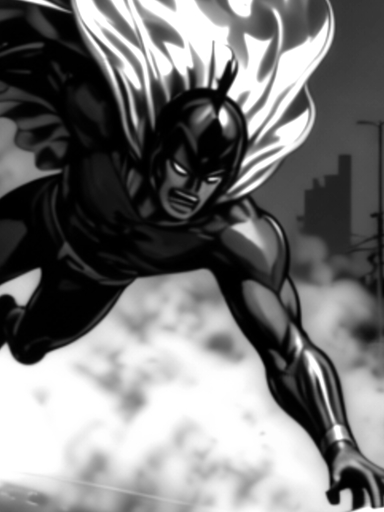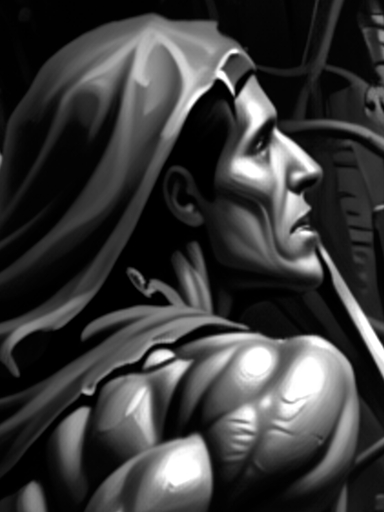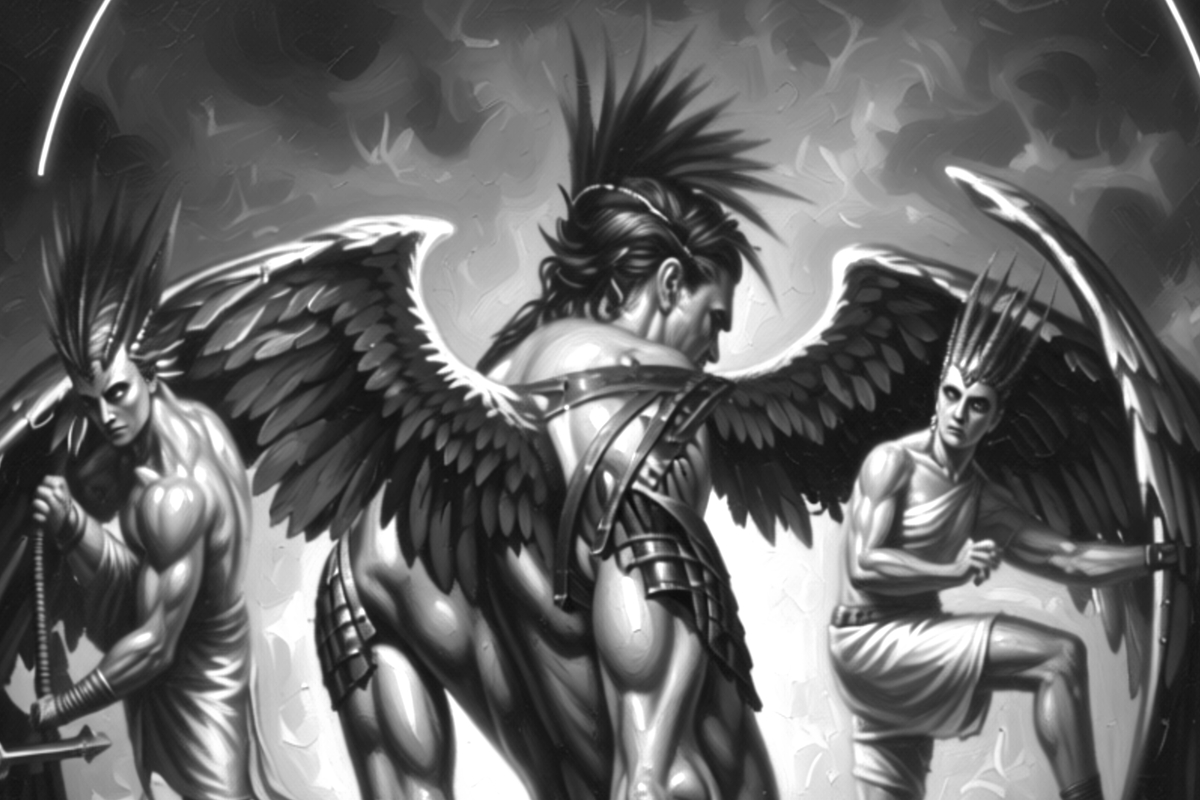
The Angel
Some paths are longer than others. The Angel does not tell you which one to take. Only what each one costs.
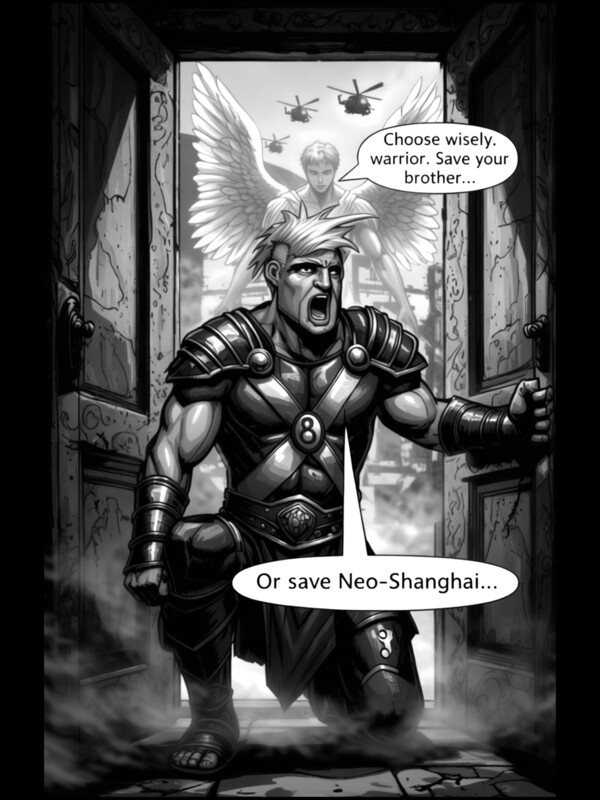
“ Choose wisely, warrior. Save your brother — or save Neo-Shanghai. ” — The Angel
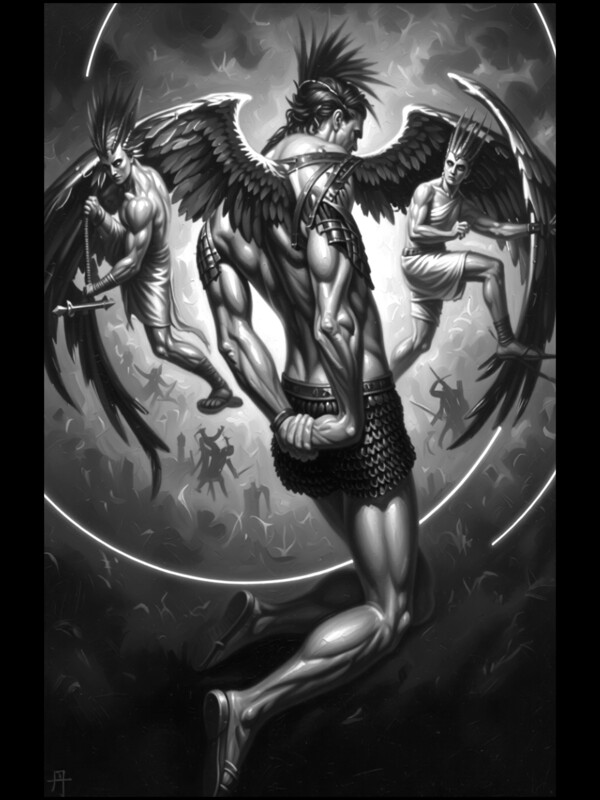
The Angel appears at thresholds. Not doors in the physical sense — thresholds in the mathematical one: moments where the probability streams reach a node, where multiple significant futures collapse toward a single decision point, where what someone chooses next will determine which version of reality persists and which ones fade into static. The Angel does not make these decisions. The Angel makes the cost of each decision visible, in terms that cannot be misunderstood.
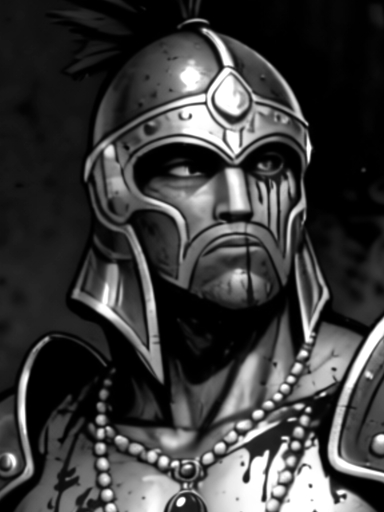
Lift 88 met The Angel at the most significant threshold in his personal probability stream: the moment when the temporal door he had calculated toward for his entire post-loss existence finally manifested in full glory, with his brother's ghost visible within its shifting surface, arms outstretched. The Angel's voice was not cruel. It was simply precise. 'Choose wisely, warrior. Save your brother — or save Neo-Shanghai.' No third option. No caveat. No softening of the arithmetic.
The Angel is not an advocate for any particular outcome. It does not prefer that Lift 88 save his brother or save the city. It does not mourn or celebrate the choice that is made. It is an arbiter of the equation's honesty — a function that forces variables to acknowledge what they are actually trading when they reach for what they want. In a universe of probability fields and quantum manipulation, The Angel is the one force that cannot be calculated around, because it does not exist in the probability streams. It exists at their edges.
After Lift 88 stepped back from the door, The Angel's voice offered something unexpected: 'Some paths are longer than others.' Not a consolation. A mathematical observation. The door had closed. But the calculation had not ended. The path to Lift 88's brother still existed. It simply required more variables to be resolved first. The Angel knew the count. It did not provide it.
Whether The Angel has appeared to others in Neo-Shanghai's fractured quantum landscape — to Debian, calculating in the dark about whether to step into the light; to Mr. Fedora, watching his probability streams collapse; to Iron Back's son, deciding whether to confront his father — the records of such encounters, if they exist, have not yet surfaced. The Angel leaves no footprint in probability space. It exists only in the moment of the choice, and then it does not.